
Dynamics 365 Certification Paths: Which Exam to Take First
- Alfredo Iorio

- Apr 9
- 3 min read
Microsoft keeps updating the certification landscape for Microsoft Dynamics to ensure the exams and the curriculum are in line with the most recent changes and upgrades. If you want to obtain a Microsoft Dynamics 365 certification in 2026 and you are not sure where to start, this post is for you.
Most consultants I speak to know already they need a Dynamics 365 certification. The problem is they don’t know which exam to tackle first. The Microsoft catalogue is big, and the routes are not clear. A BC consultant who picks the wrong starting exam wastes weeks of study time that could have gone straight into billable project work.
This post maps the exact exam you should take first based on your role: BC, Finance, SCM or CE.
How Microsoft structures Dynamics 365 certifications
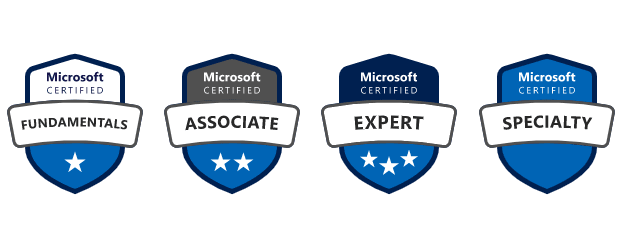
Microsoft organises Dynamics 365 certifications into three levels. Fundamentals exams give a broad overview of the platform and cloud concepts. They suit people completely new to D365 or those who want context before specialising. They are not prerequisites for any Associate exam.
Associate exams are the ones that actually matter to clients and employers. These exams prove you can configure and support a specific application day-to-day. MB-800 for Business Central, MB-310 for Finance, MB-330 for Supply Chain Management and MB-280 for Customer Engagement sit at this level. This is where most consultants should focus first.
Expert exams build on the relevant Associate. MB-335 extends Supply Chain Management, and MB-700 covers solution architecture. You normally complete the Associate before attempting the Expert. See the full current structure in our guide to Microsoft certifications for Dynamics applications.
Which certification to take first: by role
If you work as a Business Central functional consultant, start with MB-800. It covers the core configuration and processes you use on almost every BC project. Once you hold MB-800, you can add MB-820 if you also write extensions or need to demonstrate developer skills.
For an F&O finance consultant, the correct first exam is MB-310. It focuses on the financial management processes and configurations that finance teams rely on daily. Most clients expect this credential when you lead finance workstreams.
Supply chain consultants should begin with MB-330. It establishes the foundation in master planning, warehousing and inventory processes. After MB-330, you can move to MB-335 if you want the Expert credential in Supply Chain Management.
Customer Engagement or CRM consultants start with MB-280. It validates the skills needed to configure Sales, Customer Service and related CE modules that drive revenue processes.
Each of these exams aligns directly with the modules you will configure and support on real implementations. Start here, and your study time translates immediately into stronger project delivery and higher client confidence.
Do you need the Fundamentals exam first?
No. Fundamentals exams are not required before any Associate exam. Many consultants assume they must start with MB-900 or PL-900 and lose weeks on material that does not appear on the Associate exams.
If you already have project experience with the application, go straight to the relevant Associate. You save both time and exam fees. Fundamentals only make sense if you are entirely new to Dynamics 365 and want a high-level map before you specialise.
How long does it take to get certified?
From my training sessions and client work, the numbers are consistent. An experienced consultant with recent hands-on project exposure usually needs 2–4 weeks of focused evening study plus an optional 5-day instructor-led course. Someone new to the application or returning after a long gap typically needs 4–8 weeks.
The biggest variables are how much actual project experience you already have across the exam domains and whether you learn best through self-paced material or structured classroom training. The consultants who pass fastest treat certification like a project deliverable. They block time and work through one domain at a time using a live environment.
What to do after you pass your first exam
Once you pass, renew every year with the free online assessment on Microsoft Learn. It takes around 45 minutes. Then continue along the path. Move from Associate to the related Expert exam where it exists. This keeps your credentials current and your skills aligned with the latest release wave.
If you want structured instructor-led training for any of these exams, check the current schedule here: Instructor-Led Certifications Hub.


Comments